EXPERT IN PREVENTIVE HEALTHCARE AND NUTRITION
I promote real food and self-care, educate and improve nutrition in schools and hospitals, write educational blogs and books, and organize the preventive healthcare think tank Globopol.
I've written two and both have become bestsellers. In them you will find all the essentials about food and taking care of yourself.
A cool training course on how to take charge of your health. In a calm, tasty way and without weighing.
Interviews with a variety of experts on how to boost your health and manage everyday difficulties.
Short and practical lessons on health and healthy eating, also suitable for businesses and organisations.
A health prevention think tank connecting doctors, nutrition experts and other professionals.

I am a promoter of real food and the best self-care. After a few years abroad and in Prague, I now live with my husband in paradise, from which I continue to enthusiastically promote all things healthy. Preventing problems is much better than costly extinguishing of the problems that arise. Therefore, I recommend eating good quality food and taking care of yourself, moving around, being outdoors as much as possible, getting enough sleep and enjoying nature, well-being and friends.
I am independent. I do not sell any medications, nutritional supplements or other products. I act only on credible scientific evidence and am not paid by any pharmaceutical or food companies. I have a university degree in pharmacy and dietetics and over 30 years of experience in the field.
In my work, I use proven findings from all branches of medicine, and I place great emphasis on prevention. I mainly deal with providing consultations and public education in this field. I publish articles, give lectures, organize seminars, I also wrote a bestsellers on healthy lifestyle and founded Globopol, the first Czech think-tank dedicated to health and nutrition.
From personal experience I know that maintaining your health and nutrition while living or traveling abroad can be a real challenge. I would like to help you not just with establishing healthy life habits in the Czech environment, but I can also advise you about quality food products on the local market.
I provide nutrition and health consultations via telephone or online, and in my home office in Prague. The prices for services are as follows:
All prices include 21 % VAT, and I reserve the right to make changes. Bank account: 446219242 / 5500 (Raiffeisen Bank)
The best way to contact me is to call me: +420 606 363 018 or send an email with some details
about what kind of help or advice you need:
margit@margit.cz
Address for billing and consulting:
2 Březinova Street
Prague – Karlín, 18600
(5th floor, elevator on the mezzanine)
Correspondence address:
Jivany 60
Jičín, 50601
Phone: +420 606 363 018
Email: margit@margit.cz
ID: 46219242
VAT ID: CZ6962244256
Account: 446219242 / 5500 (Raiffeisen Bank)
IBAN: CZ26 5500 0000 0004 4621 9242
BIC: RZBCCZPP
In 2012 I created a visual aid for putting together a well-balanced diet. Healthy Plate is a new variant on the outdated Nutritional Pyramid, which is unfortunately still used in a number of EU countries. The composition of the plate reflects modern scientific findings; shows the best way to maintain a healthy body and a healthy weight; creates a solid foundation for overall health; and supports the prevention of illnesses, as well as more effective ways to recover from them.
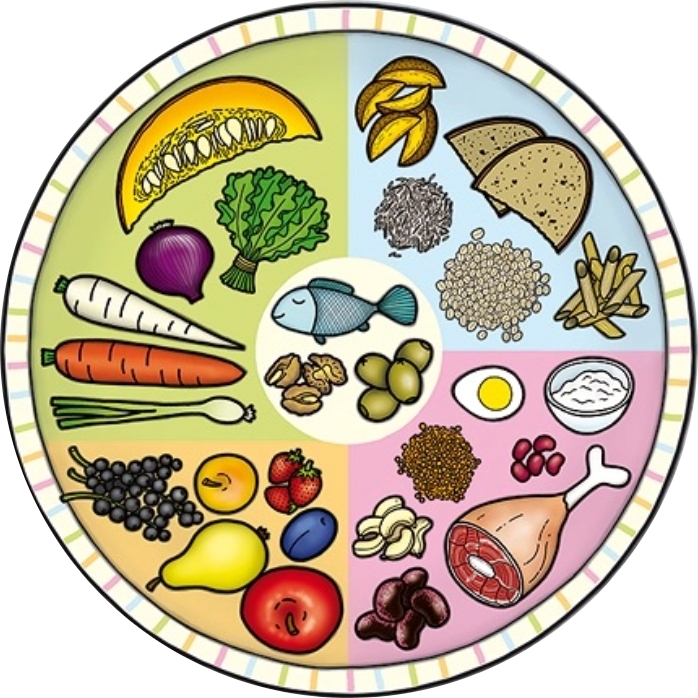
The Guide to Real Food is a simple and efficient tool for a healthy diet that builds on the latest world nutritional knowledge. Unlike the usual nutritional recommendations, we do not state that there is only one correct diet for all of us. The Guide to Real Food takes into account what may be nutritionally beneficial for the health of an individual, be it rather a plant-based food or low-carb food. A healthy diet may prevent many diseases and can help you overcome any existing health problems.
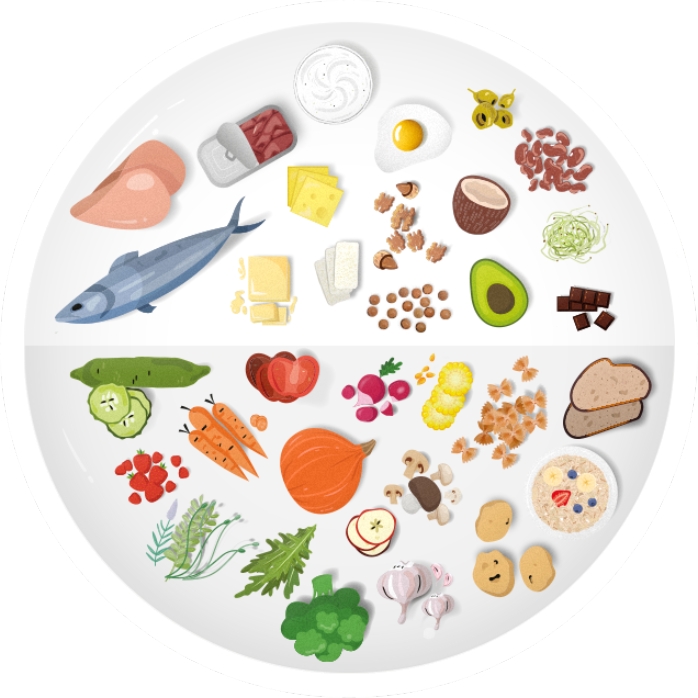
Educational web page explaining how to take control of your blood sugar. How to prevent and treat obesity and diabetes.
2000 - 2026 © PharmDr. Margit Slimáková, Brezinova 2. 186 00 Prague 8. IC: 46219242. DIC: CZ6962244256, registered in the Trade register.
Cookies policy / Protection of personal data / General terms and conditions
This site is for informational purposes only and is not a substitute for medical care. / The website is archived by the CZ National Library.
Stock Photos provided by Depositphotos
